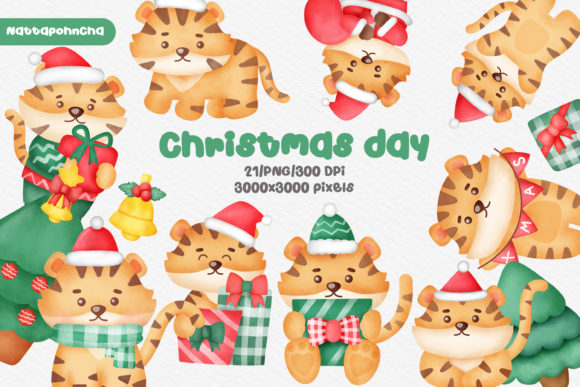
Review: Christmas Tiger Celebration Illustration
As a designer who spends more time staring at stitch maps than holiday movies, I approach every new machine embroidery design with a mix of excitement and skepticism. We have all been burned by beautiful preview images that turn into thread nests on the actual garment. So, when I pulled up the Christmas Tiger Celebration Illustration, my first thought wasn't just about how cute it looked on the screen, but how it would hold up under the needle during a real production run.
The initial visual impact is undeniably strong. This isn't just a generic holiday icon; it has personality. The layout balances the fierce yet playful nature of a tiger with the whimsical elements of the season. For those of us selling handmade products, distinctiveness is currency. A design that looks like it was pulled from a free clipart bundle won't justify a premium price point on Etsy or at a craft fair. This illustration, however, feels curated. The shapes are bold enough to read well from a distance, which is crucial for items like tote bag designs or back-of-shirt graphics, yet it retains enough internal detail to reward a closer look.
Putting the Design to the Test: A Real-World Scenario
To truly evaluate this file, I imagined a specific client request: a limited-run batch of heavy cotton sweatshirts for a boutique coffee shop looking for unique holiday merchandise. They wanted something that screamed "festive" without relying on the usual snowmen or reindeer. The Christmas Tiger Celebration Illustration fit this brief perfectly. It offers a modern twist on holiday themes, appealing to customers who want custom apparel that stands out.
In this scenario, the design's performance on thicker fabric is key. Sweatshirt fleece can be tricky; if the stitch density is too low, the fabric peeks through, making the image look sparse. If it's too high, the garment becomes stiff and board-like. From my assessment of the visual structure, this design appears to utilize a smart mix of fill stitch for the body of the tiger and potentially satin stitch for defining outlines or festive accents. This combination usually provides excellent coverage on textured fabrics while maintaining a soft hand feel. For a small shop product, comfort is just as important as aesthetics.
Versatility Across Different Embroidery Projects
Beyond sweatshirts, I can see this design working beautifully across a wide range of applications. For baby embroidery, scaling the design down for a onesie or a burp cloth could create an adorable, gender-neutral holiday gift. The tiger motif is inherently playful, making it a hit for nursery decor or personalized blankets. However, scaling requires caution. When reducing the size, those intricate details in the fur or facial features might need adjustment. If you are an Etsy seller planning to offer multiple sizes, remember to check if the original embroidery file includes scaled versions or if you need to manually resize and density-test each one.
Another strong contender for this design is the embroidered patch. The bold outlines suggest it would digitize well for a merrow edge or a simple satin border, creating a collectible item that customers can iron onto jackets or bags. Patches are low-risk, high-reward items for craft business owners because they eliminate the worry of ruining a expensive garment during stitching. Furthermore, using this as a central element on a pillow cover or kitchen towel adds a touch of whimsy to home decor. The contrast potential here is huge; imagine white thread on a deep green velvet pillow or gold thread on a navy linen tea towel.
Critical Considerations for Fabric and Technique
While the design is promising, practical application demands we address the potential pitfalls. Not every fabric is a friend to every design. If you plan to stitch this on stretchy knits or thin polyesters, your choice of stabilizer will make or break the result. A design with significant coverage, like a full-body animal illustration, can cause puckering if the fabric isn't supported correctly. I always recommend testing on scrap fabric first, especially if you are working with difficult materials like pique polo shirts or stretchy leggings.
Curved surfaces present another challenge. If you are aiming to put this on a cap, be mindful of the hoop size and the design's width. Caps have a limited stitching area, and wide illustrations often require re-digitizing to fit the curve without distortion. Additionally, pay close attention to small details. Tiny lettering or extremely fine lines in the tiger's whiskers might get lost if the thread weight doesn't match the scale. Always inspect the smallest corners of the design in your software before loading it onto the machine.
Enhancing Brand Value and Customer Trust
Ultimately, the choice of design assets reflects directly on your brand consistency and professionalism. Using a high-quality, unique illustration like the Christmas Tiger Celebration Illustration signals to your customers that you care about quality. It elevates the perceived value of the finished product. When a customer receives a gift that looks crisp, has clean thread transitions, and features a unique design, their trust in your handmade product deepens. This leads to repeat business and word-of-mouth referrals, which are the lifeblood of any creative entrepreneur.
Visual appeal drives buyer engagement. In a sea of generic holiday items, a well-executed tiger theme stops the scroll. Whether you are creating printable mockups for your online store or photographing physical samples for social media, this design offers strong visual hooks. The interplay of colors and the dynamic pose of the subject create a sense of movement that static designs lack.
Final Designer Notes and Best Practices
Before you commit to a full production run, here are a few practical steps to ensure success. First, verify the thread colors. While the preview might show specific shades, you may need to substitute based on your inventory. Ensure there is enough contrast between adjacent colors so the details don't blend together, especially when viewed from a distance. Second, consider the background. Test the design on both light and dark fabrics. Some designs rely on the fabric color for part of the image, while others have built-in underlays that handle dark backgrounds well.
Also, never assume the licensing terms. If you intend to use this for commercial embroidery projects or sell the digital file itself, confirm the license agreement provided by the creator. Some files are for personal use only, while others allow unlimited finished goods sales. Finally, don't forget to view your design in a black-and-white simulation. This helps you identify areas where stitch density might be too uniform, causing a loss of definition.
The Christmas Tiger Celebration Illustration is a versatile and engaging asset for the holiday season. With the right preparation, fabric selection, and attention to technical details, it can become a standout piece in your portfolio. Whether you are decorating a single personalized gift or manufacturing a line of boutique apparel, this design offers the creative flexibility and visual punch needed to succeed in today's competitive market.