Watercolor Cute Christmas Tiger Clipart & Illustrations Review
As a graphic designer who spends most of my week juggling brand identities for small businesses and seasonal campaigns for boutique retailers, I am always skeptical of "cute" assets. Often, they lack the versatility required for professional commercial design. However, upon reviewing the Watercolor Cute Christmas Tiger Clipart, my initial impression shifted from caution to genuine interest. This isn't just a novelty item; it is a robust graphic design asset that holds significant potential for specific market niches, particularly within the handmade business and holiday retail sectors.
Setting the Mood: A Whimsical Yet Polished Aesthetic
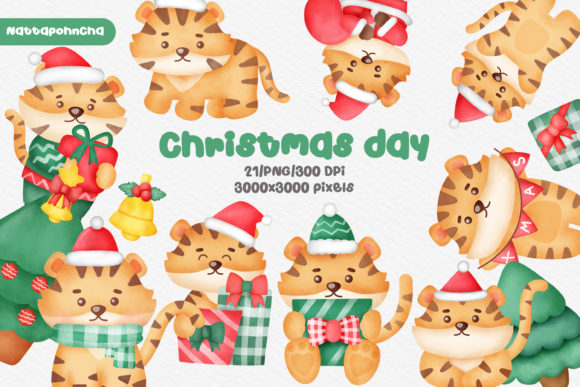
The first thing that stands out about this collection is the texture. Unlike flat vector art that can sometimes feel sterile, these watercolor illustrations carry an organic, hand-painted warmth. The color palette leans into traditional festive tones—deep evergreens, warm crimsons, and soft golds—but applies them with a modern design sensibility. The tiger itself strikes a balance between playful and dignified, making it suitable for more than just children's products. For a client looking to launch a seasonal Etsy product line or a local bakery needing holiday packaging, this asset immediately establishes a mood of cozy, artisanal charm. It feels less like stock imagery and more like a custom commission, which is crucial for building visual trust with an audience.
Real-World Application in Branding and Packaging
I recently conceptualized a branding package for a small batch candle company, and assets like this are exactly what bridge the gap between a generic logo and a memorable brand identity. In this context, the Watercolor Cute Christmas Tiger Clipart works exceptionally well as a hero graphic on product labels. Because watercolor textures translate beautifully to matte finishes, imagine this tiger adorning a kraft paper label or a frosted glass jar. It adds a layer of tactile visual interest that digital-only designs often miss.
Beyond packaging, these illustrations are invaluable for marketing visuals. For social media graphics, specifically Instagram stories and Pinterest pins, the detailed brushstrokes provide enough complexity to stop the scroll without overwhelming the caption text. When used in editorial design for a holiday lookbook or a blog post about winter trends, the tiger serves as a thematic anchor that ties disparate pages together. It is versatile enough to function as a standalone focal point or as a decorative accent framing key information.
Ideal Use Cases for Maximum Impact
To get the most out of this digital product, it is essential to deploy it where its artistic qualities can shine. Based on my experience with similar creative design assets, here is where this clipart performs best:
- Product Mockups: Perfect for t-shirt design and tote bags where the soft edges of the watercolor blend well with fabric textures.
- Printable Design: Ideal for wall art, greeting cards, and gift tags where high-resolution PNG design files ensure crisp printing.
- Sublimation Design: The vibrant yet soft colors are excellent for mugs and ornaments, avoiding the banding issues common in lower-quality gradients.
- Cricut Projects: While primarily raster-based, if SVG design options are included or if used with a print-then-cut method, it makes for stunning sticker design and planner accessories.
- Canva Template: These elements can be easily dropped into pre-made templates for quick social media posts or email headers.
Navigating Limitations and Visual Hierarchy
However, professional judgment requires knowing when not to use an asset. The intricate nature of watercolor Illustrations means they can struggle in very small sizes. If you are designing a favicon or a tiny icon for a mobile app menu, the details of the tiger's fur and the surrounding foliage may muddy together, destroying the visual hierarchy. Similarly, these assets should be used carefully on complex backgrounds. Placing a textured watercolor image over a busy pattern creates visual noise that reduces readability and professionalism.
Furthermore, this style is not suited for minimalist corporate branding or industries requiring stark, clean lines like finance or tech. The emotional appeal here is warmth and nostalgia; using it in a context that demands cold efficiency would create a dissonant brand message. For projects requiring very clean visual hierarchy, ensure there is ample white space around the tiger to let it breathe.
Pr Designer Notes for Commercial Execution
Before integrating Watercolor Cute Christmas Tiger Clipart into a final client deliverable, I recommend a rigorous testing phase. Here is my checklist for ensuring quality control:
- Contrast Testing: Always preview the asset on both light and dark backgrounds. Watercolors can sometimes lack opacity, so check if a white underlay is needed for dark mode web design or black apparel.
- Grayscale Conversion: Test the image in black and white to ensure the value contrast holds up for newspaper ads or single-color print runs.
- File Format Inspection: Verify the PNG transparency. Poorly clipped edges can leave unsightly white halos around the watercolor strokes. If vector files are available, check the SVG design paths for unnecessary nodes.
- Typography Pairing: Experiment with font styles. A handwritten font or script font complements the organic feel, while a bold sans serif font can create a striking modern contrast. Avoid overly decorative display fonts that might compete with the illustration.
- Licensing Verification: Crucially, confirm the commercial license terms. Ensure the design bundle allows for use in print-on-demand services and unlimited sales for your clients.
Final Verdict for Creative Professionals
In the crowded creative marketplace, finding assets that feel authentic is a challenge. The Watercolor Cute Christmas Tiger Clipart succeeds because it offers a unique character that generic vectors lack. It supports a narrative of craftsmanship and care, which is exactly what consumers look for during the holiday season. Whether you are a content creator building a themed collection, a marketer launching a seasonal campaign, or a crafter selling on Etsy, this asset provides a solid foundation for high-quality creative work. By respecting its limitations and leveraging its textural strengths, designers can elevate a standard project into something truly memorable.