Cute Cat Christmas Clipart: A Designer's Review
As someone who spends most of their day staring at screens full of vector paths and digitized stitch files, I have developed a pretty sharp instinct for what works when the needle actually hits the fabric. When I first pulled up the Cute Cat Christmas Clipart set, my initial reaction wasn't just about how adorable the characters looked on the monitor; it was immediately about translation. How would these lines hold up under tension? Would the details get lost in a dense satin column? This review breaks down my professional assessment of using these illustrations in real-world embroidery projects, specifically for those of us running small shops or creating high-end handmade goods.
First Impressions and Visual Personality
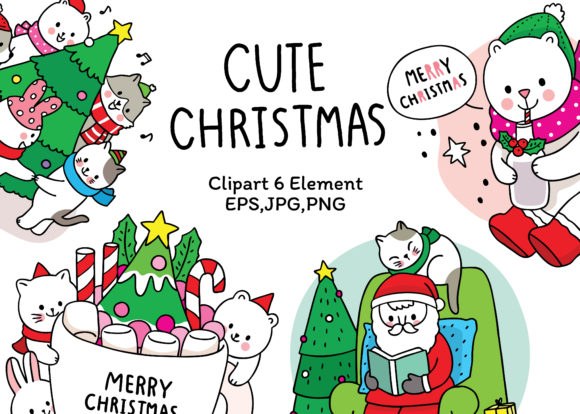
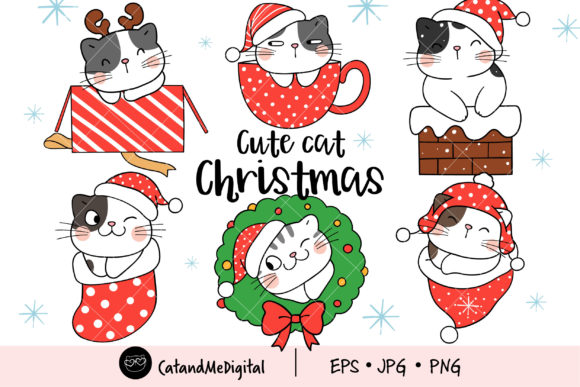
The mood of this collection is undeniably cozy. There is a softness to the line work that suggests warmth, which is exactly what you want for holiday-themed items. The shapes are generally rounded and friendly, avoiding the sharp, aggressive angles that can sometimes cause thread breaks or puckering in smaller hoop sizes. From a design perspective, the layout feels balanced. The elements aren't too crowded, which gives the digitizer (or you, if you are converting these yourself) enough breathing room to establish proper pull compensation.
What stands out most is the visual personality. These aren't generic cats; they have character. Whether it's the tilt of a head or the swirl of a tail, there is a narrative quality here that elevates a simple embroidery project into a story. For an Etsy seller or boutique owner, this is gold. Customers don't just buy a stitched towel; they buy the feeling of a whimsical winter evening. However, the level of detail varies across the set. Some designs rely heavily on fine running stitches to define whiskers or fur texture, while others use broader fill areas. This mix requires a thoughtful approach to material selection.
Real-World Application: The Holiday Tote Scenario
To truly test the viability of Cute Cat Christmas Clipart, I mentally walked through a common client request: a custom embroidered tote bag for a holiday gift market. Tote bags are tricky. They often use canvas or heavy cotton, which has a distinct weave. If you place a design with tiny, intricate details onto a coarse fabric, the threads can sink into the gaps, making the image look muddy.
In this scenario, the simpler icons from the clipart set would be the winners. A cat silhouette with a Santa hat, rendered in a solid fill stitch or a clean satin stitch border, would pop beautifully against a natural canvas background. The contrast would be sharp, and the durability would be high, withstand the friction of daily use. Conversely, the more detailed illustrations featuring complex patterns on the cat's sweater might struggle unless the fabric count is very high or a topping stabilizer is used to bridge the texture gap.
For custom apparel, like a fleece sweatshirt, the dynamics change. Fleece is plush and thick. Here, the "cute" factor of these designs shines because the softness of the fabric complements the subject matter. A sweatshirt embroidery project using one of the larger cat faces as a chest logo would feel premium. The key here is ensuring the stitch density isn't too high, which could make the patch feel stiff and uncomfortable against the skin. The open spaces in some of these clipart designs help mitigate that stiffness, allowing the fabric to retain its drape.
Navigating Technical Challenges
While the aesthetic appeal is strong, a professional designer must always look for potential pitfalls. There are specific situations where Cute Cat Christmas Clipart needs to be handled with care. If you are working on curved surfaces, such as caps or hats, the distortion can be significant. Designs with long, straight horizontal lines or perfectly symmetrical features might look warped once stitched onto a structured front panel. I would recommend avoiding the most complex scenes for headwear unless you have advanced digitizing skills to pre-distort the file.
Another consideration is the color palette. Holiday themes often demand reds, greens, and golds. When working on dark fabrics, like a navy blue onesie for baby embroidery, you need to ensure your thread colors have enough saturation. Some of the lighter pastel shades in certain clipart variations might vanish against dark backgrounds. In these cases, adding a white underlay or choosing a version of the design with bolder outlines is crucial for visibility.
Furthermore, washability is a non-negotiable for items like kitchen towels or aprons. Dense stitch areas can trap moisture or cause the fabric to pucker after multiple wash cycles. Before committing to a production run of fifty units, it is vital to test the design on scrap fabric identical to your final product. Check how the stitch density holds up after a hot wash. Does the thread fray? Does the fabric gather around the edges? These are the questions that separate a hobbyist mistake from a professional finished product.
Enhancing Brand Value and Customer Trust
Using high-quality assets like Cute Cat Christmas Clipart directly impacts your brand perception. When a customer receives a personalized gift that looks crisp and well-executed, it builds trust. They see the attention to detail and associate that quality with your shop. On the flip side, a design that looks pixelated or stitches out poorly can damage your reputation instantly.
For digital product sellers, these illustrations serve as excellent design assets for creating printable mockups. Even if you aren't stitching every single item yourself, showing potential buyers how the design looks on a realistic texture helps close sales. It allows them to visualize the handmade product in their own home. Consistency is key here; using a cohesive set of images across your social media, website, and physical products creates a recognizable brand identity.
Practical Notes for the Studio
Before you load this file into your machine, keep these practical steps in mind to ensure success:
- Test on Scraps: Always stitch a sample on the actual fabric you intend to use. Thread tension behaves differently on linen than it does on polyester blends.
- Check Contrast: View your design in black and white on your screen. If the details disappear in grayscale, they will likely get lost in the stitching too.
- Stabilizer Selection: Don't skimp here. For stretchy fabrics, a cut-away stabilizer is often safer than tear-away to prevent distortion over time.
- Hoop Size Verification: Confirm that the design fits comfortably within your available hoop size without needing excessive re-hooping, which can lead to alignment issues.
- Licensing Check: Since this falls under Illustrations, verify the license terms. Are you allowed to sell the physical stitched items? Can you resell the digital file? Knowing this protects your craft business from legal headaches.
Ultimately, Cute Cat Christmas Clipart offers a charming foundation for a variety of festive projects. It bridges the gap between whimsical art and functional decoration. Whether you are creating a single embroidered patch for a friend or stocking inventory for a holiday craft fair, the potential is there. But remember, the file is only half the battle. Your expertise in selecting the right thread, fabric, and technique is what transforms a cute image into a cherished keepsake. Treat the design with the respect it deserves, test your variables, and let the quality of your stitching do the talking.