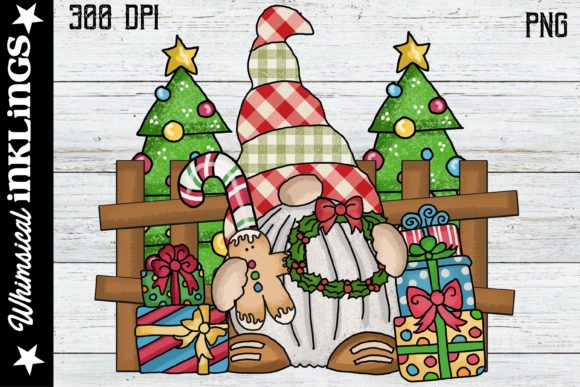
Review: Christmas Scene Gnome for Holiday Embroidery
As a designer who spends more time staring at stitch simulations than most people care to admit, I approach every new machine embroidery design with a mix of excitement and skepticism. We have all been there: you buy a cute file, load it onto your machine, and halfway through the run, you realize the density is going to turn your fabric into cardboard or the details are too fine for the thread you are using. That is why I took a close look at the Christmas Scene Gnome before committing it to any client work or personal holiday projects. This isn't just about whether it looks good on a screen; it is about how it performs as a physical finished product.
First Impressions and Visual Personality
The moment I opened the preview for the Christmas Scene Gnome, the mood was immediately clear. It captures that cozy, whimsical essence that defines modern holiday decor without leaning too hard into clichés. As an entry in the Illustrations category, it relies heavily on character and charm rather than complex backgrounds. The layout feels balanced, with the gnome typically positioned to allow for easy placement on various garments.
What stands out most is the visual personality. It feels friendly and approachable, which is exactly what you want for a personalized gift or a boutique item. The lines appear clean, suggesting a well-digitized path that should minimize jumps and trims. However, the level of detail in the gnome's beard, hat, and any accompanying elements like snowflakes or gifts requires a critical eye. In digital form, everything looks crisp, but in embroidery, tiny details can get lost if the stitch density isn't managed correctly or if the thread colors lack sufficient contrast.
Real-World Application: The Holiday Tote Test
To truly evaluate this design, I imagined a specific real-life scenario: creating a limited run of holiday tote bags for a local craft fair. These aren't just any bags; they are canvas totes meant to carry groceries, gifts, and baking supplies. This is a high-stress environment for an embroidery project. The fabric has a distinct weave, and the bag will be subjected to friction and washing.
Using the Christmas Scene Gnome here makes sense because the character is recognizable even from a distance. For a tote bag design, you need bold shapes that hold up against the texture of the canvas. If this design utilizes a mix of satin stitch for the outlines and fill stitch for the larger areas like the hat or body, it should provide the necessary coverage. However, I would be cautious about very fine running stitch details on a coarse fabric, as they might sink in and disappear. For this application, the design shines as a centerpiece that adds value to a simple blank product, turning a generic bag into a small shop product with genuine appeal.
Ideal Surfaces and Product Fit
Beyond totes, where else does this design belong? The versatility of the Christmas Scene Gnome extends well into custom apparel. Imagine it centered on a heather grey sweatshirt embroidery project. The soft texture of fleece or French terry pairs beautifully with the whimsical nature of a gnome. It would also work wonderfully as a baby embroidery element on a onesie or bib, provided the scale is reduced appropriately without losing definition.
For those running an Etsy seller business or a handmade boutique, this design could easily become a signature motif. It fits perfectly on:
- Kitchen tea towels for hostess gifts
- Pillow covers for seasonal home decor
- Aprons for the baking enthusiast
- Denim jackets for a statement holiday look
- Embroidered patch blanks for iron-on applications
The key is matching the intricacy of the design to the substrate. A smooth cotton pillowcase will render the details much sharper than a chunky knit blanket. When planning your inventory for the holidays, consider how the Christmas Scene Gnome looks in a printable mockup versus reality. While mockups help sell the idea, the tactile quality of the stitches is what builds customer trust and encourages repeat business.
Technical Considerations and Potential Pitfalls
No design is perfect for every situation, and honest review means highlighting where you need to proceed with caution. With the Christmas Scene Gnome, pay close attention to the hoop size requirements. If the design is large, ensure your machine can handle the dimensions without re-hooping, which can lead to alignment issues. Curved surfaces like caps present a unique challenge; the distortion on a structured cap might warp the gnome's face if the digitizing doesn't account for the curve.
Fabric choice is another critical factor. On dark fabrics, you must ensure the underlay is sufficient to prevent the background color from peeking through the fill areas. Conversely, on thin or stretchy fabrics, the stitch density might cause puckering. If the design has dense areas, such as a solid red hat or a thick white beard, it acts almost like an applique design in terms of weight. You will absolutely need a high-quality stabilizer—likely a cut-away for garments that will be washed frequently—to maintain the integrity of the shape.
Small details are often the first to suffer. Check the spacing between the gnome's eyes, the texture of the beard, and any text that might be included. Tiny lettering or closely spaced elements can bridge together during stitching, creating a muddy look. Always run a test on scrap fabric that matches your final material. This simple step saves time, thread, and frustration.
Enhancing Brand Value and Professionalism
Ultimately, the goal of using a design like the Christmas Scene Gnome is to elevate your brand. A well-executed embroidery job signals professionalism. It tells your customer that you care about quality. When a client receives a holiday gift featuring this gnome, the clarity of the stitches and the durability of the attachment reflect directly on your reputation as a maker.
For commercial embroidery projects, consistency is key. If you are producing fifty items, every single gnome needs to look identical. This requires dialing in your tension and ensuring your digital embroidery file is optimized for your specific machine. The visual appeal of the design draws the customer in, but the execution keeps them coming back. It transforms a simple craft business item into a cherished keepsake.
Final Designer Notes and Best Practices
Before you launch your production run, take these practical steps to ensure success with the Christmas Scene Gnome:
- Test on Scraps: Never skip the test stitch-out. Use the exact fabric and stabilizer combination you plan to use for the final product.
- Check Contrast: View your thread chart in black and white. If the values are too similar, the design will lose its impact.
- Verify Licensing: Since this is a potential asset for design assets or resale, confirm the license terms. Can you sell the finished physical items? Are there restrictions on digital redistribution?
- Inspect Density: If the design feels too stiff after stitching, consider editing the fill density in your software if you have the skills, or switch to a lighter weight fabric.
- Mockup Reality: Compare your digital previews with the actual stitched sample to set accurate expectations for your customers.
The Christmas Scene Gnome offers a delightful opportunity to add festive cheer to your portfolio. Whether you are decorating a nursery, outfitting a team, or stocking your holiday shop, this design has the potential to perform beautifully if treated with the respect and technical preparation it deserves. By focusing on the interplay between the design's artistic intent and the physical realities of embroidery, you can create products that not only look good but stand the test of time and wear.